In the digital age of globalization, the quality of network connections directly affects the operational efficiency of enterprises. Japan's CN2 line, as a high-quality network connection option, has attracted more and more attention from enterprises. This article will explore the cost of Japanese CN2 lines and its influencing factors to help you make informed decisions when choosing a network connection.
The Japanese CN2 line is a high-performance network connection provided by China Telecom, designed for international data transmission. It adopts a variety of optimization technologies to ensure fast data transmission speed, low latency and high stability. The characteristics of the cn2 line make it particularly suitable for application scenarios that require high bandwidth and low latency, such as online games, live video broadcasts and cloud computing. Understanding the basic concepts of cn2 lines will help enterprises better evaluate their value in network construction.
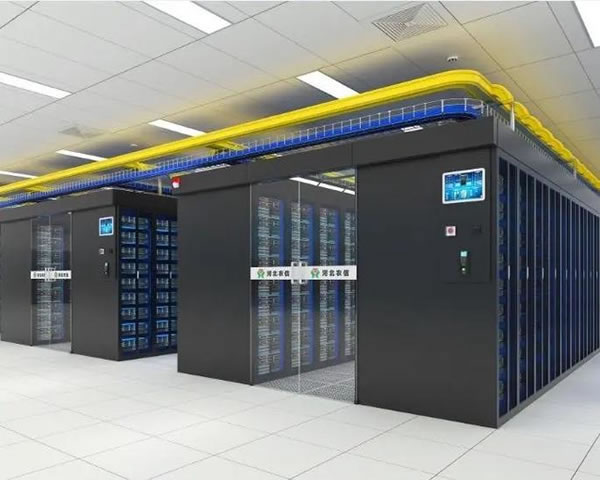
The cost of the Japanese CN2 line is mainly composed of multiple parts, including bandwidth costs, equipment investment, maintenance costs and operation costs. Bandwidth expenses are often the biggest cost factor, depending on the required bandwidth size and the pricing strategy of the service provider. Equipment investment includes the purchase and configuration of network equipment such as routers and switches. Maintenance costs refer to daily operation and maintenance, fault handling, and technical support. Understanding the cost composition can help companies better plan their budgets.
There are many factors that affect the cost of Japanese CN2 lines, mainly including bandwidth requirements, service quality, market competition and the choice of service providers. First of all, bandwidth requirements directly determine the cost of the line, and the higher the demand, the higher the cost. Secondly, service quality is also an important factor, and high-quality lines are usually accompanied by higher prices. In addition, market competition will affect the pricing strategy of service providers, and the more intense the competition, the lower the price may be. Finally, when choosing different service providers, the costs will also vary, so many factors should be considered when choosing.
The advantages of the Japanese cn2 line are mainly reflected in high speed, low latency and high stability, which makes it perform excellent in data transmission and real-time applications. However, its disadvantages cannot be ignored, such as relatively high costs and dependence on technical support. When choosing a Japanese CN2 line, companies need to weigh these advantages and disadvantages to ensure that the selected network connection can meet their business needs.
When choosing a suitable Japanese CN2 line plan, enterprises should consider the following aspects: First, clarify their own bandwidth needs and avoid waste of resources. Secondly, evaluate the service quality of different service providers, including network stability and technical support. Furthermore, consider the overall cost and ensure that the best option is selected within the budget. Finally, focus on the terms of the contract, especially the Service Level Agreement (SLA), to protect the rights and interests of the enterprise.
Understanding the cost of Japanese CN2 lines and their influencing factors is crucial for companies to expand international business. When choosing a network connection, enterprises should comprehensively consider factors such as bandwidth requirements, service quality and overall cost to ensure that the selected plan can meet their development needs. At the same time, it is recommended that enterprises conduct multi-party comparisons and evaluations when choosing a service provider to find the most suitable network solution.
- Latest articles
- Popular tags
-

In-depth Discussion On The Network Performance Of Japanese CN2 Direct Connection
We will deeply explore the network performance of Japanese CN2 direct connection, analyze its advantages in data transmission and network optimization, and are suitable for people engaged in related industries to read. -

Examine The Compliance And Data Sovereignty Issues Of Japanese Line Cn2 Transfer Nodes From A Legal Compliance Perspective
review the compliance and data sovereignty issues of japanese line cn2 transfer nodes from a legal compliance perspective, analyze the legal framework involved, cross-border transmission risks, technical and operational compliance suggestions, and help internet service providers reduce compliance risks. -

What Is A Japanese Server Address And Its Role In Network Configuration
understand japanese server addresses and their role in network configuration to help optimize website access speed and stability.